
19 points CME obtenus pour une première formation 100% sur simulateur en europe
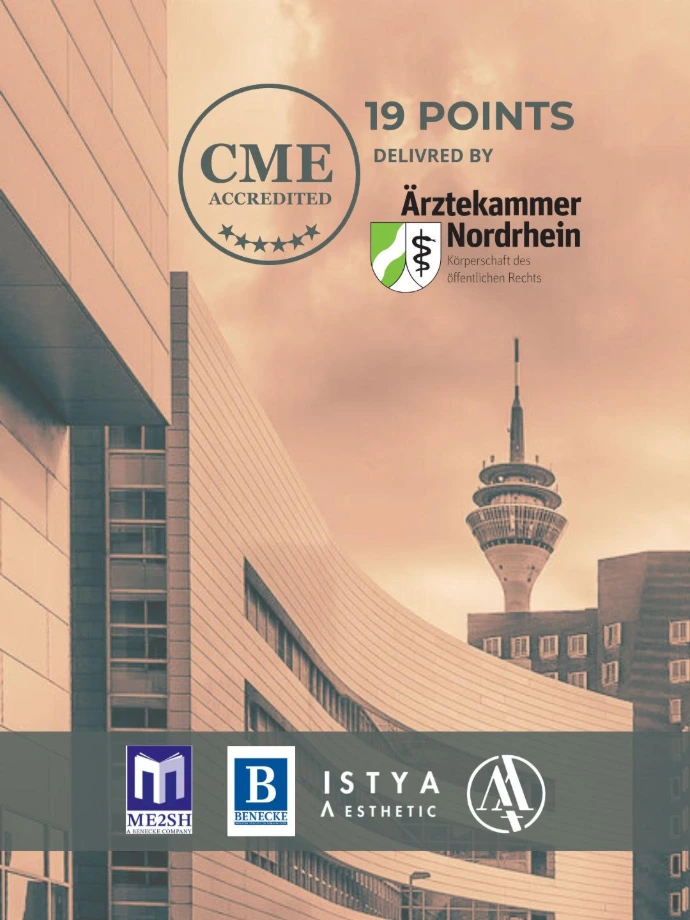
Two days in Düsseldorf dedicated to facial anatomy, injection safety, simulation, and clinical reasoning.
In aesthetic medicine, technical mastery cannot be separated from a precise understanding of facial anatomy.
Each injection takes place in a complex three-dimensional anatomical environment, where skin, muscle, fat, and deep structures interact, not to mention vascular considerations.
That is why structured medical training, based on anatomy, science, and practice, is today an essential element of modern and safe aesthetic medicine.
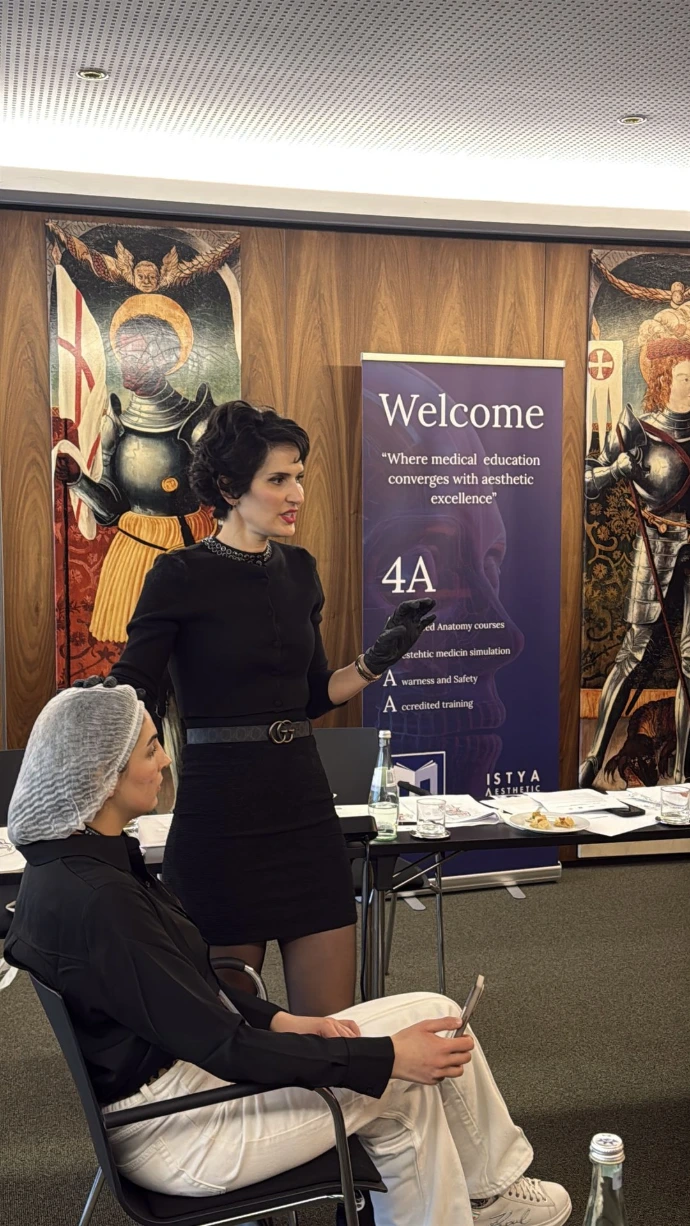
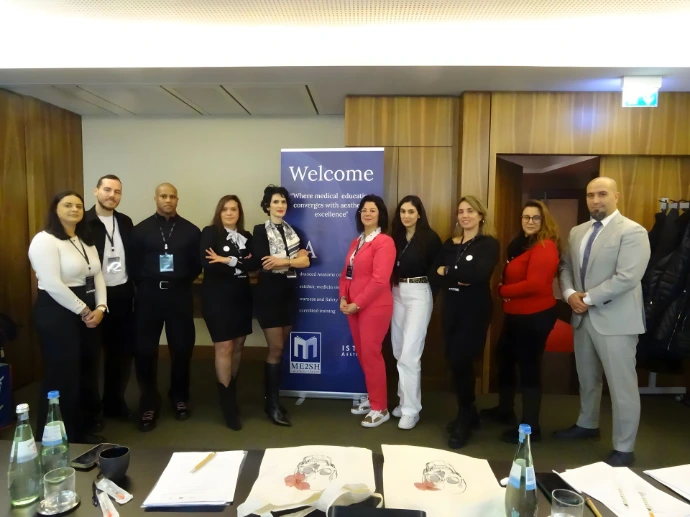
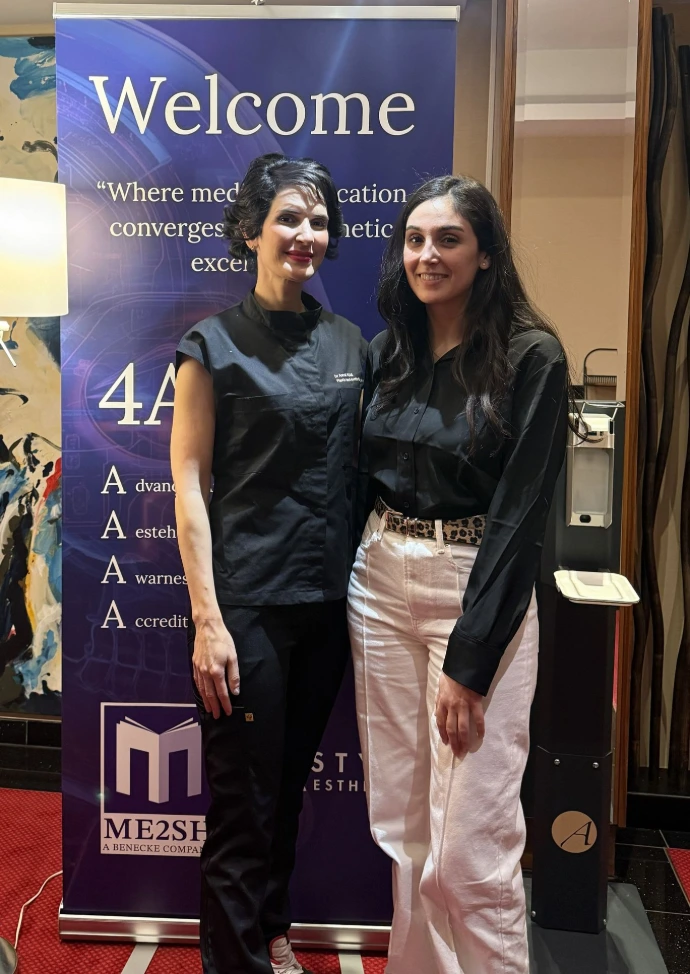
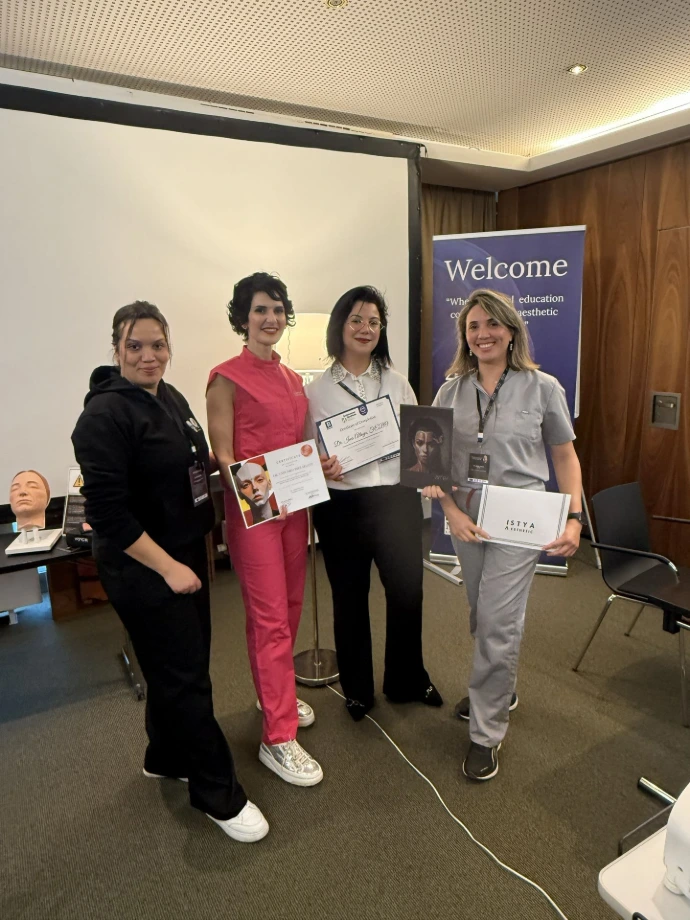
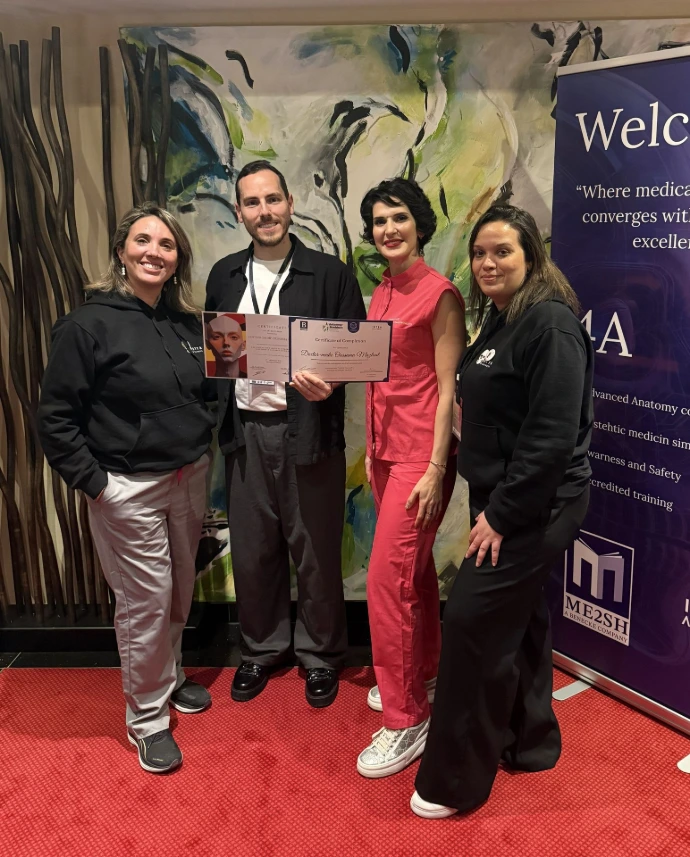
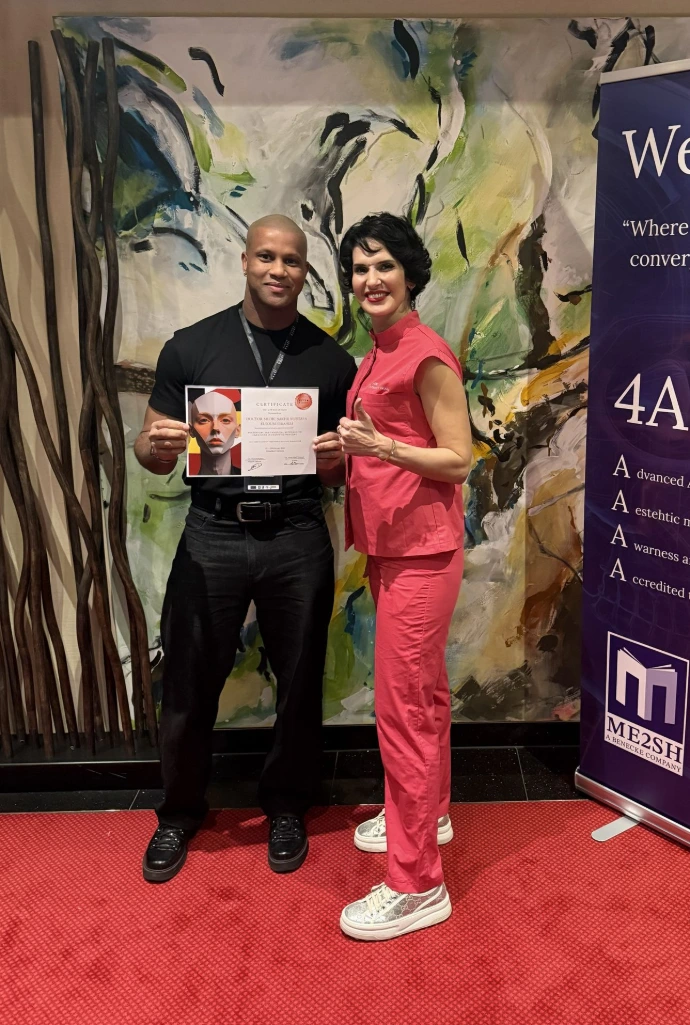
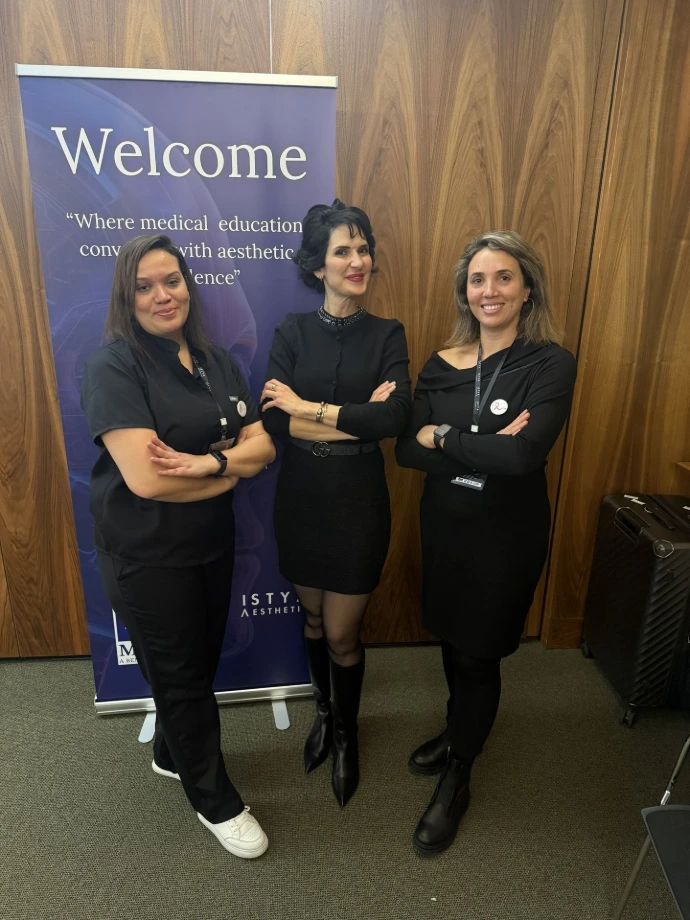
On February 7 and 8, 2026, ISTYA Aesthetic organized the ISTYA Anatomy Bootcamp in Düsseldorf, Germany, an intensive two-day program dedicated to the anatomical and practical approach to injections in aesthetic medicine solely on medical simulators.
A particularly important aspect of this edition: The ISTYA Anatomy Bootcamp Germany is part of ISTYA Aesthetic's CME accreditation, with 19 CME points awarded by Ärztekammer Nordrhein for this training.
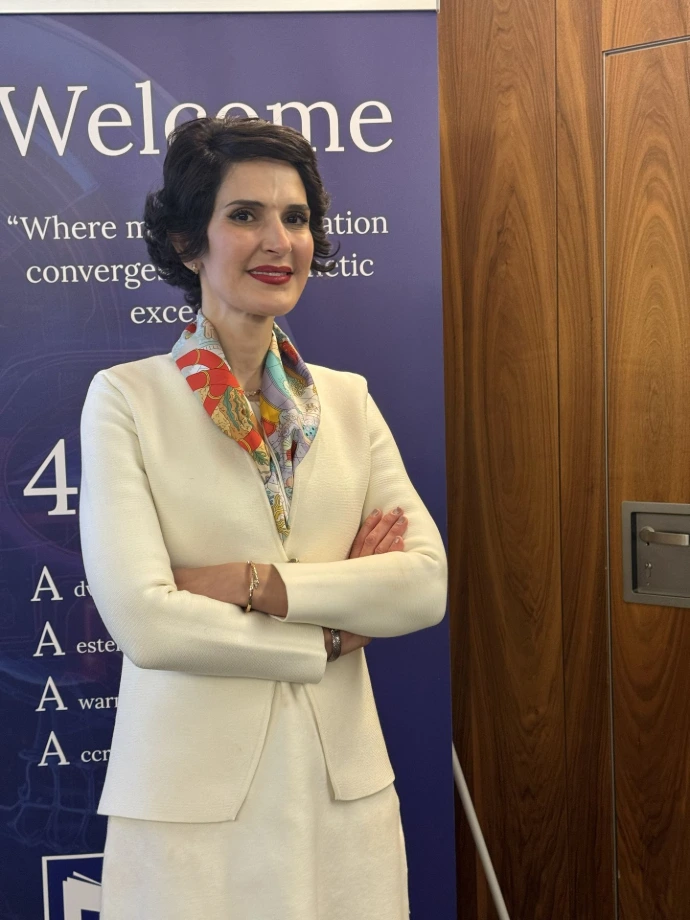
This accreditation was developed with partners Benecke International BV, ME2CSH, and Dr. Amal Abid, the Bootcamp trainer and lead speaker.


19 CME points: recognition of continuing medical education
For a healthcare professional, participating in training is not just an investment of time.
The scientific quality of the program, its clinical relevance, and its recognition within the framework of continuing medical education (CME) are also essential criteria.
It is in this perspective that the ISTYA Anatomy Bootcamp Germany was designed as a true medical training program, and not as a simple technical workshop.
The event received 19 Continuing Medical Education (CME) points, awarded by the Ärztekammer Nordrhein, the Chamber of Physicians of North Rhine.
This recognition highlights the structured and educational dimension of the program, which included:
the scientific program;
the international background of the training physician as a speaker at international conferences
the importance of functional facial anatomy;
analysis and therapeutic planning;
injection techniques;
prevention and management of complications;
ultrasound and vascular mapping;
medical simulation;
case studies;
supervised practical application.
For physicians, the 19 CME points thus represent an important element in enhancing their continuing education efforts.
Beyond the Movement: An Anatomy-Based Approach
The goal of the Bootcamp was not simply to teach injection techniques.
The program instead placed functional facial anatomy, patient assessment, and therapeutic planning at the heart of the learning process.
Participants explored how anatomical knowledge can guide:
treatment planning;
identification of at-risk anatomical areas;
product selection, toxin reconstitution, and personalized dose adjustment according to each profile.
the injection strategy;
the prevention of complications ;
the pursuit of harmonious and natural results.
The program was aimed at medical professionals wishing to deepen their expertise in aesthetic medicine, particularly in the fields of dermatology, plastic surgery, ophthalmology, aesthetic medicine, and dental surgery.
Day 1: A practical approach to botulinum toxin injections
The first day was dedicated to the practical guide to botulinum toxin injections, with an approach focused on anatomy and clinical reasoning.
The program began with the study of the functional anatomy of the face, before addressing the indications and strategic considerations related to botulinum toxin injections.
Participants also studied the biological characteristics and mechanism of action of botulinum toxin, as well as the identification of at-risk areas and the management of post-procedure complications.
The day also included a workshop dedicated to botulinum toxin protocols, including dilution, storage, dosing, and hygiene.
From facial analysis to simulation
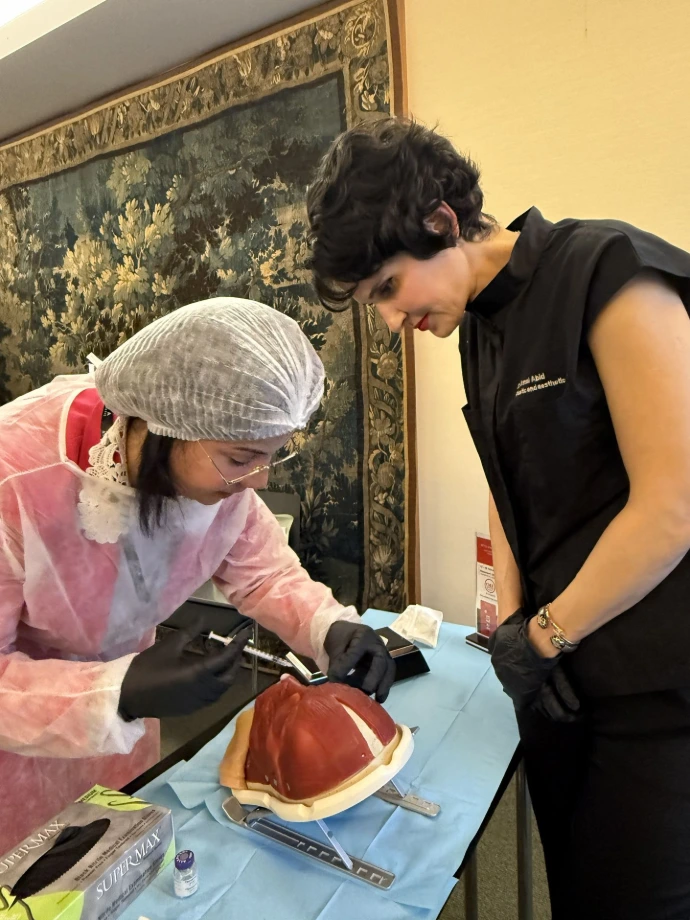
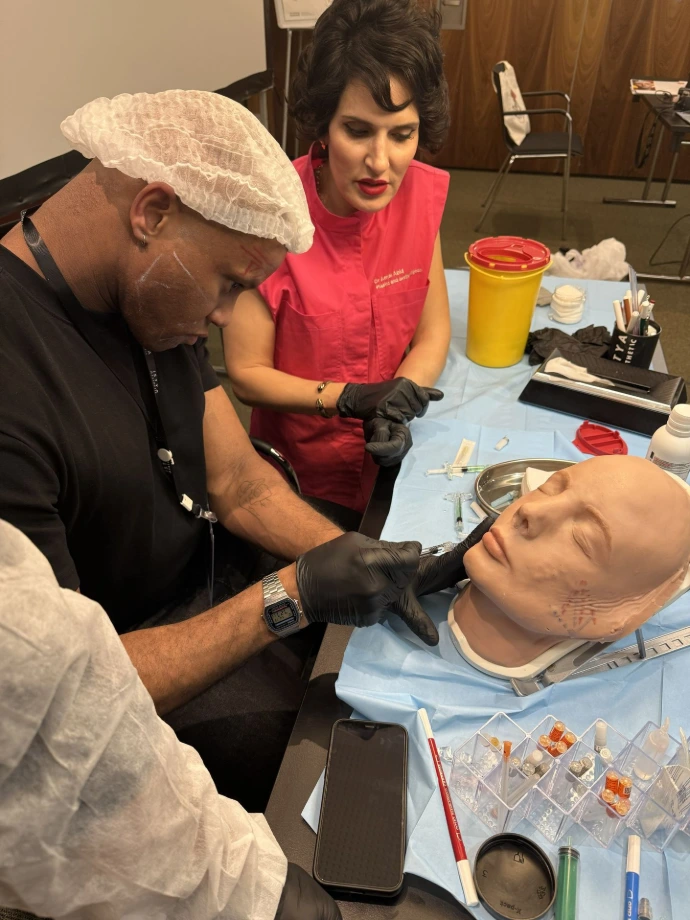
One of the distinctive elements of the Bootcamp was the integration of realistic simulation into medical learning.
Participants worked on dynamic and static facial analysis situations, integrating safety protocols, asepsis, and communication with the patient.
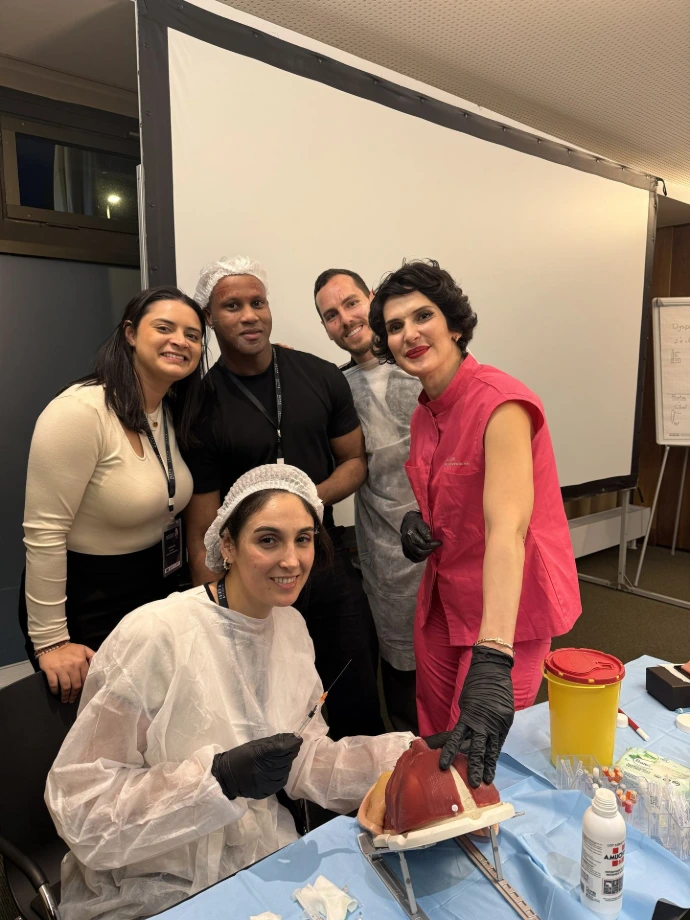
They then moved on to practicing injections on anatomical simulators.
This progression allowed for connecting :
Anatomy → Evaluation → Planning → Technique → Safety
The objective was to develop the clinical reasoning that accompanies the action, rather than addressing the injection technique in isolation.
Day 2: Hyaluronic acid injections and the science of fillers
The second day was dedicated to hyaluronic acid injection techniques.
The program covered the functional anatomy of the face applied to hyaluronic acid injections, the mechanisms of facial aging, as well as the strategic planning of treatments.
Particular attention was given to adapting the treatment plan to the individual characteristics of the patient.
The day also integrated a scientific dimension around the rheology of hyaluronic acid and its clinical applications.
Understanding the rheological properties of fillers allows the practitioner to integrate the characteristics of the product into their therapeutic thinking and to better understand their behavior in different anatomical contexts.
Mapping facial vasculature using ultrasound
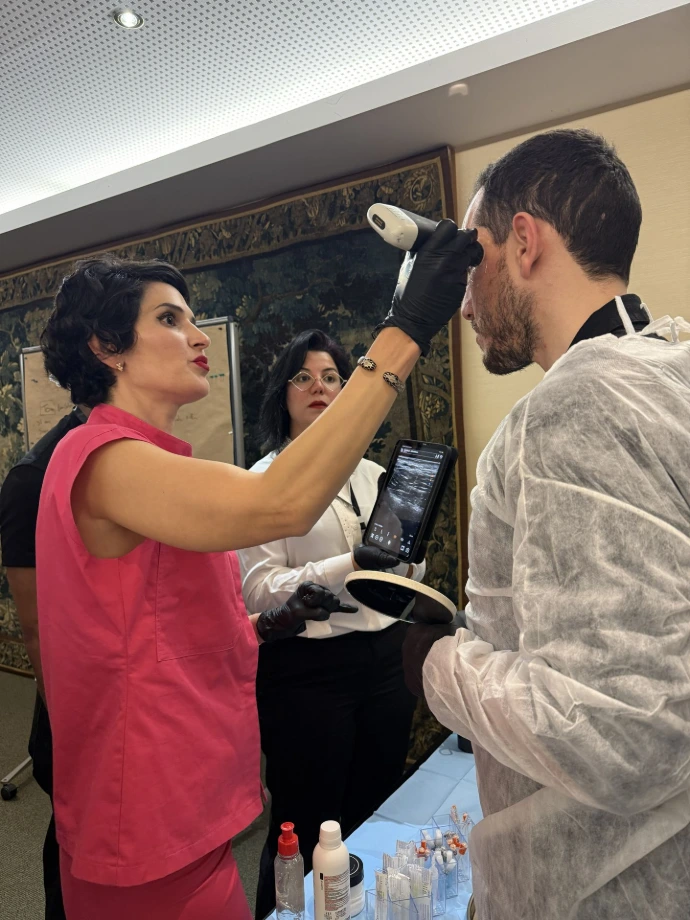
An ultrasound workshop was also integrated into the program, with work dedicated to mapping facial vascularization and identifying at-risk areas.
This approach adds an additional dimension to the teaching of facial anatomy.
It particularly allows for a deeper understanding of vascular structures and integrates this knowledge into the consideration of the safety of injectable procedures.
High-fidelity simulation: learning before treating
Simulation plays a central role in the pedagogy of the Bootcamp.
Participants worked with several simulators designed to reproduce different anatomical and tissue characteristics:
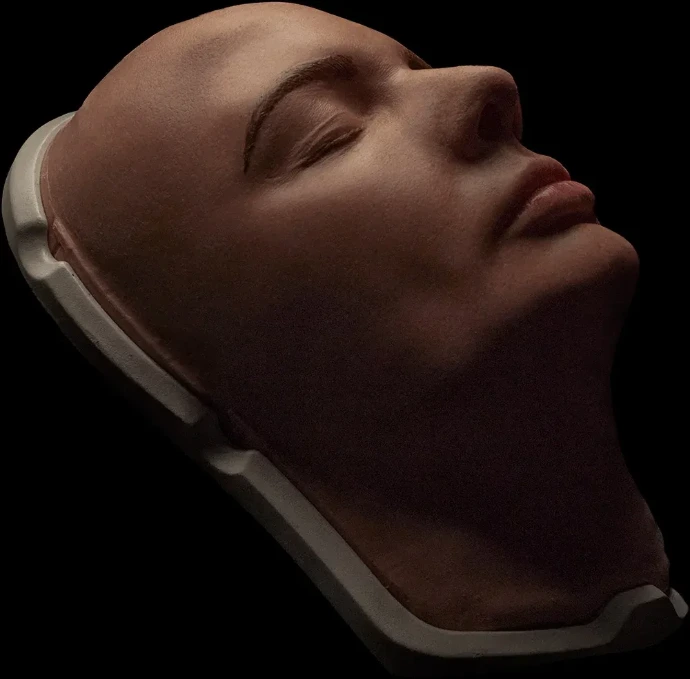
iFace S1
A 3D anatomical simulator reproducing the characteristics of the skin, subcutaneous tissues, and muscular structures of the face.
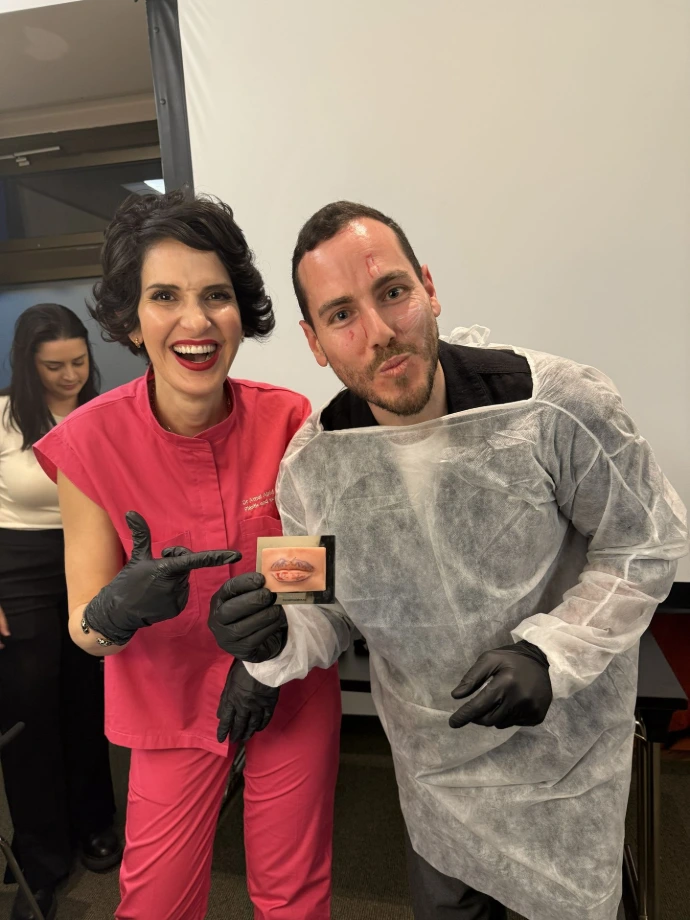
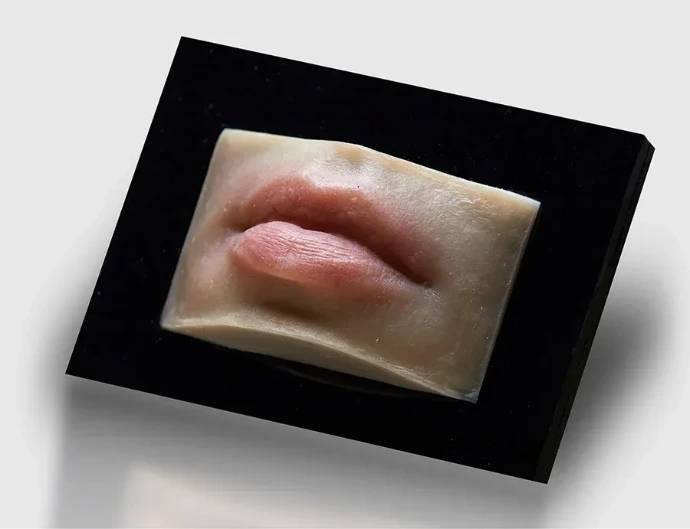
iLips
A specialized lip simulator designed to reproduce their elasticity and tissue density.
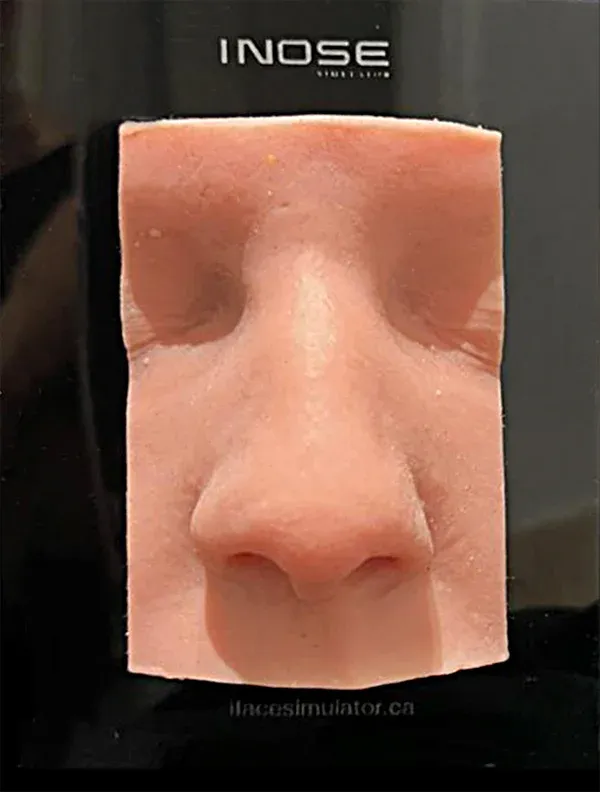
iNose
A silicone simulator intended for training in medical and non-surgical rhinoplasty techniques.
This approach allows for the creation of a pedagogical environment in which participants can develop their anatomical understanding and repeat actions in a controlled setting.
Two distinct simulators (male and female) dedicated to the assessment of static wrinkles, allowing for the precise localization of injection points as well as the corresponding dosages.
From product selection to clinical reasoning
One of the fundamental messages of the Bootcamp was that aesthetic injection is not just a technical gesture.
It corresponds to a succession of clinical decisions.
The practitioner must take into account the patient's anatomy, facial morphology, treatment objectives, product characteristics, and potential risks before defining a strategy.
For hyaluronic acid treatments, this notably involves considering rheology, anatomical depth, and strategic injection areas.
For botulinum toxin, this requires an understanding of the functional anatomy of the face, indications, and the product's mechanism of action.
The Bootcamp thus brought together these different dimensions within a single educational pathway.
Safety at the heart of training
During the two days, patient safety and complication management occupied a central place.
Risk areas were addressed in the context of botulinum toxin and hyaluronic acid injections, alongside principles of prevention, diagnosis, and management of potential complications.
This approach is based on an essential principle:
Technical mastery makes sense when it is based on solid anatomical knowledge and rigorous clinical reasoning.
The ISTYA Approach: Anatomy. Science. Simulation. Practice.
The ISTYA Anatomy Bootcamp Germany illustrates a broader educational philosophy:
Understanding anatomy.
Mastering science.
Simulating the gesture.
Developing clinical reasoning.
Rather than separating theoretical and practical knowledge, the program seeks to integrate them into a single learning pathway.
For practitioners in aesthetic medicine, this approach aims to develop not only technical confidence but especially a deep understanding of the reasons for choosing a treatment, the influence of anatomy on the injection strategy, and the importance of safety at every step.
Towards a new generation of training in aesthetic medicine


As aesthetic medicine evolves, the training of practitioners must also evolve.
The future of training in aesthetic injections is not just about learning more techniques.
It is about training practitioners capable of combining:
Anatomical precision + scientific understanding + simulation + clinical reasoning.
It is this vision that guides the ISTYA Anatomy Bootcamp Germany and contributes to the mission of ISTYA Aesthetic: to contribute to a scientific, structured, recognized aesthetic medical training focused on safety and clinical mastery.
About ISTYA Aesthetic
ISTYA Aesthetic develops training programs for healthcare professionals wishing to deepen their expertise in aesthetic medicine, facial anatomy, injection techniques, medical simulation, and clinical safety.
Through a pedagogy based on science, simulation, and practice, ISTYA supports practitioners in developing a more precise, safer, and more personalized practice.
Meet our trainer
A professional dedicated to our success

Dr Amal Abid
Plastic Surgeon
A renowned specialist in mastering facial volumes and anatomical safety.
She personally supervises each technical gesture to ensure a smooth transition between theoretical science and real clinical practice.